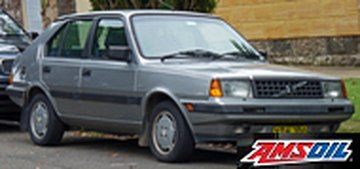
Engine Lubrication Care for the 1982 Volvo GLT 2.1L
Maintaining the mechanical integrity of a vehicle like the 1982 Volvo GLT requires a disciplined approach to routine service. With the B21FT engine, which utilizes turbocharging technology, the management of engine oil is a central component of long-term engine health. Proper lubrication ensures that internal components operate with minimal friction and that heat generated during combustion and forced induction is effectively managed.
Monitoring Lubricant Condition and Consumption
One of the most effective ways to monitor the health of the 2.1L engine is through regular observation of the oil's condition and level. Because turbocharging systems can subject engine oil to higher thermal loads, it is important to stay vigilant regarding any changes in how the vehicle utilizes its lubricant.
Owners should look for several indicators that warrant further investigation:
- Changes in fluid appearance: If the oil appears excessively dark or contains visible particulates, it may indicate that the lubricant has reached the end of its effective service life or that there is significant internal contamination.
- Unusual consumption: A noticeable decrease in oil levels between service intervals should be investigated. While some consumption can occur as engines age, a rapid decline may indicate an issue with seals or other internal components.
- External signs: Inspecting the area around the engine for any evidence of seepage or active leaks is a fundamental part of routine maintenance. Finding wetness on various surfaces can help identify where gaskets or seals may be losing their effectiveness.
It is important to note that many different factors can cause changes in oil appearance or consumption levels. Rather than attempting to diagnose a specific component failure based on a single observation, these signs should be treated as prompts for a more thorough mechanical inspection.
Prioritizing Maintenance Based on Current Condition
When managing the upkeep of an older vehicle, it is often more practical to focus on the actual condition of the components rather than relying solely on the age of the car. For a 1982 Volvo GLT, this means establishing a maintenance baseline that reflects how the vehicle is currently performing.
If you are stepping into ownership of this vehicle without a complete service history, your first priority should be to document its current state. This involves reviewing any available repair records and then conducting a comprehensive visual inspection. Addressing active leaks or addressing signs of overdue maintenance should take precedence over general cosmetic upkeep. By focusing on the most immediate mechanical needs—such as checking the condition of hoses, if present, or inspecting accessible belts, if equipped—you can create a structured plan for future service.
Distinguishing between necessary preventive maintenance and unnecessary parts replacement is key to efficient ownership. Instead of replacing components simply because they have reached a certain age, use visual evidence of wear, such as cracking in rubber elements or fraying on belts (if equipped), to guide your decisions. This condition-based approach ensures that resources are directed toward the areas that truly impact the vehicle's operational reliability.
Observing Potential Warning Signs
While routine inspections are designed to catch issues early, certain symptoms may indicate that an engine requires immediate attention. These signs do not always point to a single specific failure, but they serve as critical indicators that the lubrication system or other related components should be examined.
An oil-related warning light appearing on the dashboard is a primary signal that warrants immediate investigation. Similarly, unusual mechanical noises coming from the engine compartment can be associated with various lubrication or mechanical issues. If you notice changes in how the engine sounds during startup or while idling, it is advisable to have the system checked.
Furthermore, any evidence of overheating should be taken seriously. Excessive heat can affect the stability of the engine oil and may lead to accelerated degradation. By staying attentive to these sensory cues—sight, sound, and smell—you can intervene before minor issues escalate into more significant mechanical concerns.
Long-Term Ownership and Record Keeping
For those committed to the long-term preservation of a 1982 Volvo GLT, maintaining detailed service records is an invaluable practice. A well-documented history provides a clear picture of the vehicle's maintenance trajectory and can help identify patterns that might otherwise go unnoticed.
Effective record-keeping should include more than just dates and costs. It is useful to note:
- The specific types of lubricants and filters used during each service.
- Observations made during routine inspections, such as the condition of seals or the presence of minor seepage.
- Any repairs performed to address specific symptoms or warning signs.
- Changes in how the vehicle consumes fluids over time.
Having this information readily available allows you to make more informed decisions about future maintenance priorities. It also helps in distinguishing between a one-time occurrence and a developing trend, which is essential for managing an aging engine effectively.
Effective Inspection of Aging Components
As vehicles age, the materials used in their construction—such as rubber, plastic, and various sealants—can undergo changes due to heat cycles and environmental exposure. When performing maintenance on a 1982 GLT, it is beneficial to incorporate a systematic check of these age-sensitive areas.
When inspecting the engine bay, look for signs of degradation in accessible hoses and electrical connections. While many components are designed for longevity, checking for brittleness or corrosion can prevent unexpected failures. Additionally, if the vehicle is equipped with various drive belts, inspect them for signs of glazing, cracking, or fraying. Similarly, examining gaskets and seals for any evidence of seepage can help you stay ahead of potential leaks.
This type of proactive monitoring does not mean replacing every old part; rather, it is about gathering the data necessary to perform maintenance at the most appropriate time. A careful eye during every oil change or routine service can provide the insights needed to maintain the vehicle's mechanical health for years to come.
Practical Guidance for Buying Engine Oil for your 1982 Volvo GLT 2.1L
Selecting the correct lubricant is a vital step in the maintenance process for this specific engine. To ensure the best possible protection and performance, you should always match your choice of oil to the application-specific viscosity and requirements already displayed on this webpage.
When you are ready to purchase new oil, keep the following practical tips in mind:
- Verify the Label: Always check the product packaging to ensure it meets the specifications listed in your vehicle's application information.
- Consider Formulations: Depending on the current condition and mileage of your engine, you may choose between conventional, synthetic blend, or full synthetic oils. Some high-mileage oil formulations also contain additives intended for use in aging engines, including seal-conditioning additives that may be beneficial for older seals.
- Check Certifications: Ensure the oil carries the appropriate API certification to confirm it meets modern quality and performance standards.
- Avoid Assumptions: Do not rely on general automotive knowledge or assumptions based solely on the vehicle's age to select a grade. The most reliable source for your specific 1982 Volvo GLT is the technical information provided in the application data above.